
Fall Dig Hazard: What Landscapers Should Know
A quick look at what fall dig hazards are, why timing matters, and how Great Lakes prepares sensitive tree species to give contractors more options for successful late-season planting.
Fall is a great time for planting, but when it comes to digging trees, not every species handles the season the same way.
Certain trees are considered fall dig hazards, meaning they can be more sensitive to being dug and transplanted in the fall. Understanding which species fall into this category—and how they’ve been handled before they arrive on your jobsite—can make a big difference in transplant success.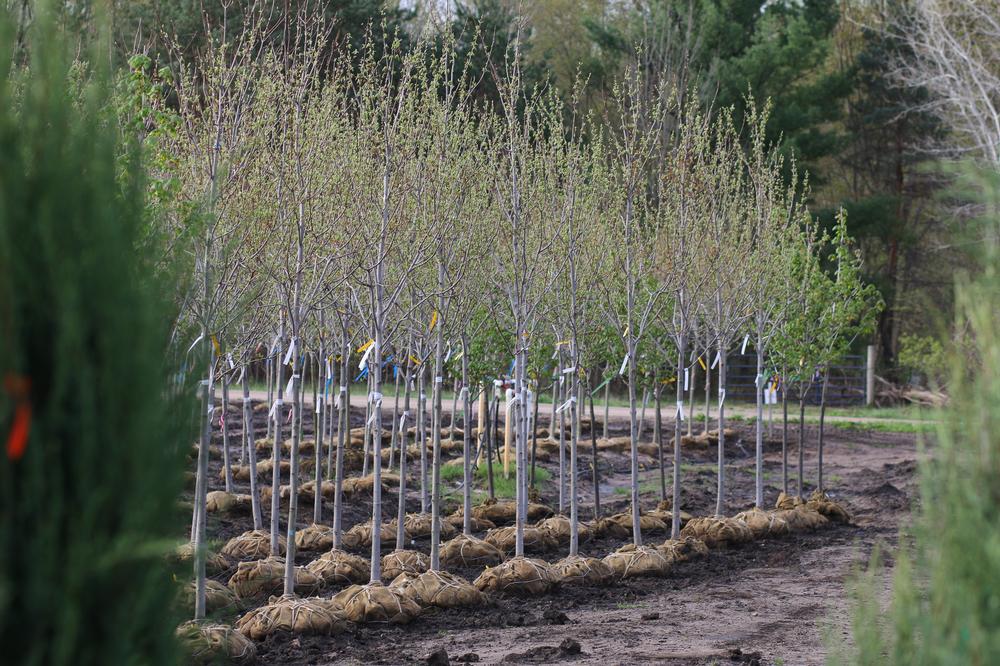
 What Is a Fall Dig Hazard?
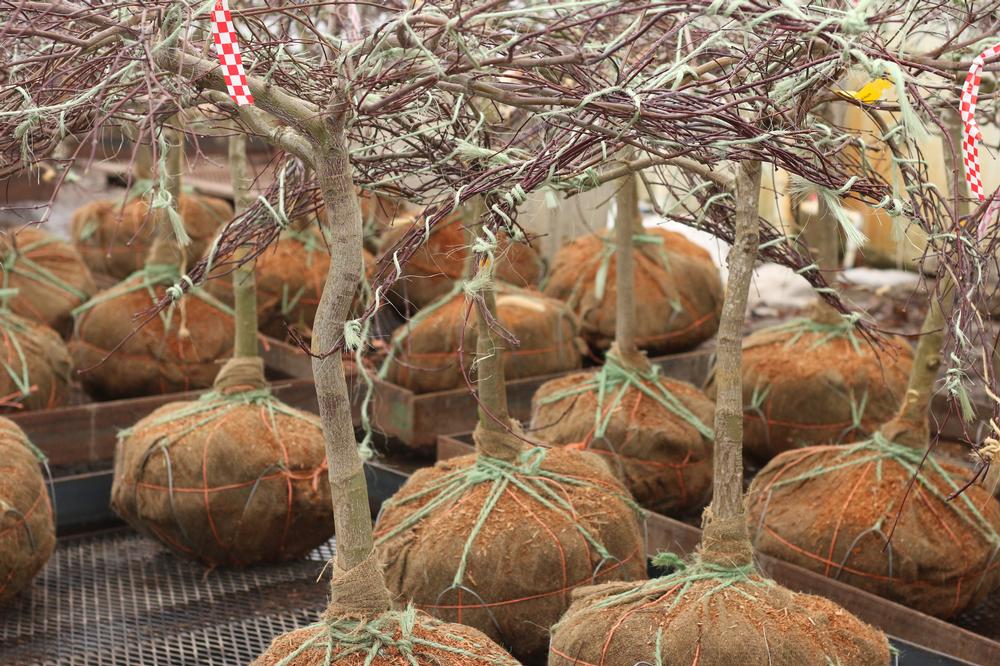
When a tree is dug from the field, part of its root system is inevitably removed. Most trees handle this process well during the proper digging window, but some species are more sensitive to root disturbance later in the season.These trees may not establish new roots as readily before winter, which can increase the risk of transplant stress or failure.
That doesn’t necessarily mean these trees can’t be planted in the fall. The important distinction is between digging a tree in the fall and planting a tree in the fall.
How Great Lakes Handles Fall Dig Hazard Trees
At Great Lakes Landscape Supply, we carry a number of species that are considered fall dig hazards—but we plan ahead for them.Our field-grown trees in these categories are dug during the appropriate window in the spring. They are then brought into our nursery, where they are carefully held, watered, and maintained throughout the growing season.
By the time fall arrives, these trees have already gone through the digging process and have spent the season under our care. This allows contractors to continue using these important landscape varieties for late-season projects without needing the tree to be freshly dug from the field in the fall.
Container-Grown Trees Give You Another Option
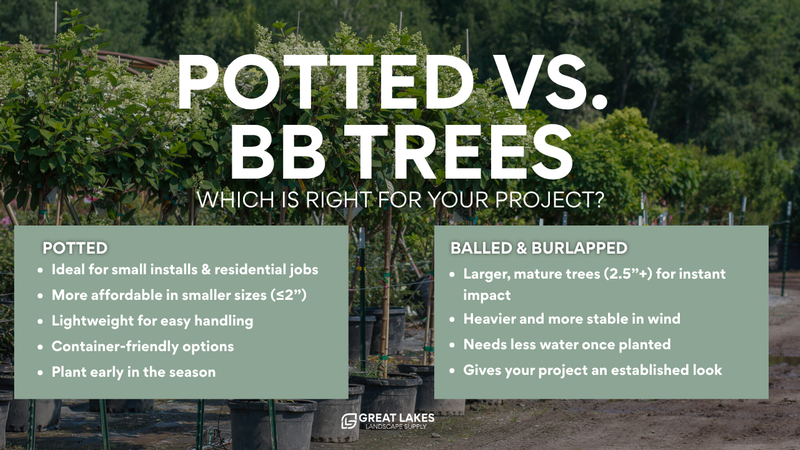
We also grow some of these species as container trees.Because container-grown trees maintain their root system within the container, they aren't going through the same field-digging process at installation time. This can make container-grown material another valuable option when working with species that are sensitive to fall digging.
It also gives landscapers more flexibility when sourcing material later in the season.
Why We Plan Ahead
Many fall dig hazard species are also landscape staples. Simply avoiding them throughout the fall isn't always practical when you're designing or installing a project.That's why we work ahead.
By digging sensitive field-grown material at the proper time and offering container-grown options for select varieties, we're able to keep more material available for contractors throughout the season.
The goal is simple: more options and more confidence when you're working on late-season installations.
Before selecting material for a fall project, it's always worth checking whether a species is considered a fall dig hazard and understanding how that particular tree was grown and handled.
Want to see which species are considered fall dig hazards?
 CHECK OUT THE FULL LIST
